



Hardik Agravat
A responsive website covers the basics. It can't match what a native or cross-platform app delivers in engagement, retention, and revenue per user, and the gap between the two keeps widening.
Engagement beyond the browser
Push notifications bring users back without depending on email open rates, which for most industries hover somewhere below 25%. Offline access keeps the experience usable even on a spotty connection — on a train, in a basement parking garage, wherever. Native performance, smooth animations, real camera and sensor access, simply isn't achievable in a browser tab no matter how good the web app is.
We built a companion app for a client whose web platform was already solid, and the difference in daily active usage within the first quarter surprised even us. Same core product, same users — the app just made it easier to come back without thinking about it.
Apps build habits, websites don't
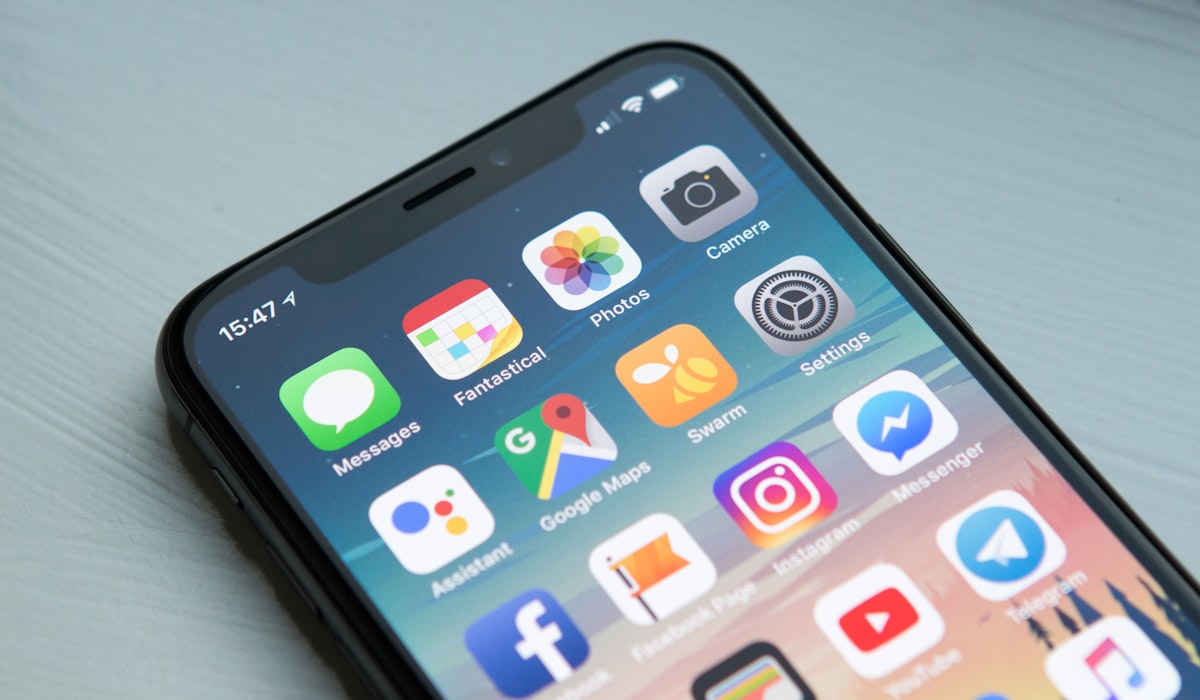
An icon sitting on someone's home screen is a daily reminder your competitors probably don't have. That single point of friction removed — no need to search, no need to remember a URL — is often the entire difference between a one-time visitor and a repeat customer.
Deciding whether you're actually ready
The mistake we see most is businesses building an app because it feels like the next obvious step, not because there's a clear use case for it. An app is worth the investment when users need it repeatedly, when offline access genuinely matters to how they use the product, or when native features — camera, location, push — are core to what you're offering rather than nice extras.
- Repeat usage: would someone reasonably open this more than once a week?
- Native need: does the product depend on camera, location, biometrics, or offline access?
- Retention gap: is your web platform already losing users to forgettability, not functionality?
- Team capacity: can you actually maintain two more platforms with update cycles, app store reviews, and OS changes?
Native, cross-platform, or web app — the real tradeoff
Full native development gets the best performance and the deepest platform integration, at the highest cost and with two separate codebases to maintain going forward. Cross-platform frameworks like Flutter and React Native get you close to native quality from a single codebase, which is where most growing businesses land unless there's a specific reason to go fully native — heavy AR use, for instance, or graphics-intensive work. Progressive web apps sit in between: installable, offline-capable, no app store review process, but still missing some of the deeper native integrations.
None of this means every business needs an app on day one. It means the calculation for when it's worth building one has shifted, and for most growing businesses, that point arrives earlier than they expect — usually somewhere around the point where a meaningful share of users are already opening the mobile site multiple times a week and closing it in frustration at how much slower it feels than it should.
Budgeting for the app you'll actually maintain
The build cost is usually the easier number to estimate. The ongoing cost — OS updates twice a year, app store review cycles, crash monitoring, the inevitable request to support a new device size — is where budgets quietly blow past what was planned. We ask clients to budget roughly 15 to 20 percent of the original build cost annually for maintenance before committing to the project at all, because an app that gets built and then neglected tends to accumulate one-star reviews faster than almost any other kind of software failure, and recovering a damaged app store rating is slower and more expensive than maintaining a good one.
Timing the launch around real signals, not a calendar date
We generally advise against launching an app on a fixed date chosen for marketing convenience rather than product readiness. Push notification permissions, app store review timelines, and the first wave of real user feedback all behave unpredictably in the first two weeks after launch, and a product still working through early bugs during a heavily promoted launch window burns goodwill that's expensive to earn back. A quiet soft launch to a small segment, followed by a wider push once the rough edges are sanded down, has consistently outperformed a big-bang launch in our experience.
Deciding between updating the web platform first
Occasionally the better first move isn't building an app at all — it's fixing whatever is currently driving people away from the existing mobile web experience. We've talked more than one client out of an app project after discovering their mobile site's real problem was a five-second load time, not a lack of native features. An app built on top of an already broken experience usually just moves the same frustration into a new wrapper rather than solving it, and it's worth ruling that out honestly before committing budget to a second platform.
Retention as the metric that actually matters
Download counts get celebrated in launch announcements, but they're a vanity metric compared to what actually determines whether an app was worth building: how many of those downloads are still opening the app a month later. We track thirty-day retention as the primary success metric on every app project, since an app with impressive download numbers and poor retention usually indicates a marketing win layered on top of a product problem, not a genuine success worth repeating.
Handling the update cycle without losing users
Every app update carries some risk of losing users during the transition — a forced update that breaks an existing workflow, a redesign that disorients people who'd built muscle memory around the old layout. We stage significant changes behind gradual rollouts wherever the platform allows it, watching early metrics on a small percentage of users before pushing to everyone, which has caught more than one change that looked fine in testing but measurably hurt retention once it reached real, varied usage patterns in production.
We also revisit app strategy annually with long-standing clients, since a decision that made sense two years ago — build native, skip push notifications, launch on one platform first — often deserves a fresh look as the product, the competitive landscape, and the available tooling all keep moving underneath it.