



Priyansh Desai
Web development moves fast every year, but 2026 has brought a handful of shifts that are changing how teams actually ship, not just which frameworks are trending on social media.
AI-assisted development is now standard
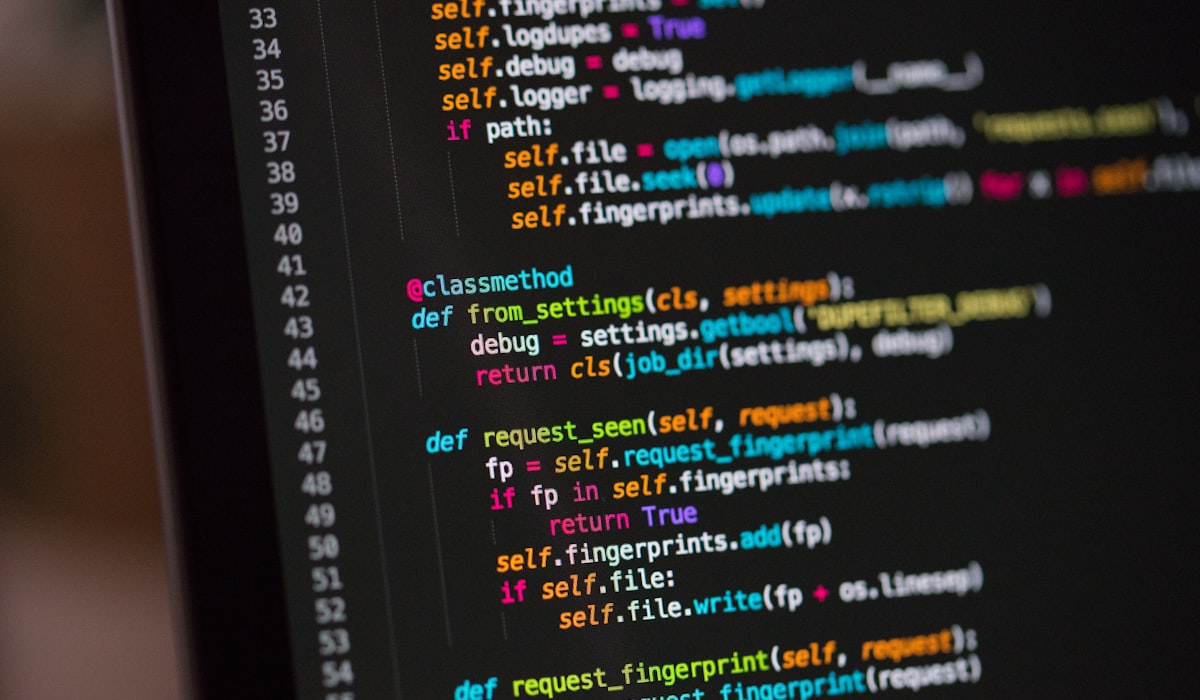
Code generation, automated test writing, and AI code review have gone from novelty to part of the standard delivery pipeline for most professional teams we work alongside. It's not replacing the thinking — it's cutting the time spent on the repetitive parts so more of a developer's day goes toward architecture and product decisions that actually need a human.
We've adopted this internally too, and the honest takeaway is that it speeds up the first draft of almost everything — boilerplate, test scaffolding, even documentation — while doing nothing to reduce the need for someone experienced to review what comes out. The teams getting the most value treat AI output the way they'd treat a junior developer's pull request: useful, fast, and always reviewed before it ships.
Edge rendering and faster-by-default frameworks
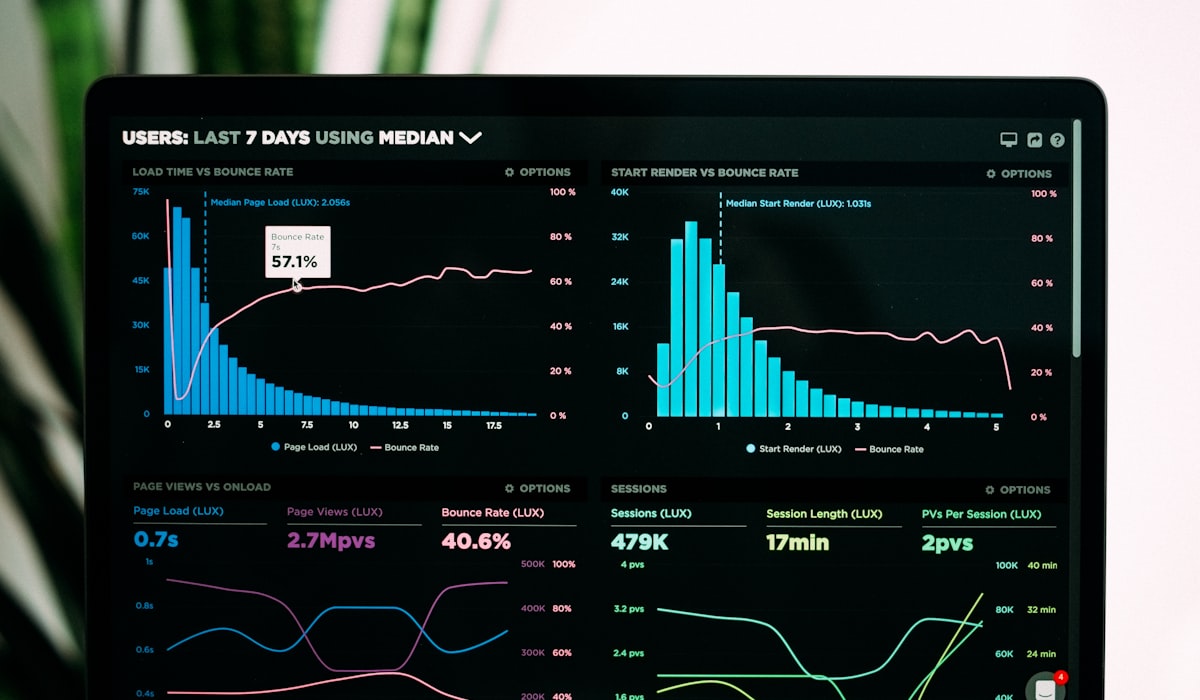
Frameworks increasingly render at the edge, physically closer to the user, cutting time-to-first-byte compared to a single centralized server sitting in one data center. For a client with users spread across three continents, that alone shaved a noticeable chunk off load times without a single line of application code changing.
Meanwhile, component-driven design systems and stricter accessibility requirements are pushing teams toward more disciplined, reusable front-end architecture — less one-off code per page, more shared building blocks that get tested once and reused everywhere.
Other shifts worth tracking
- Server components blurring the line between static and dynamic rendering, cutting client-side JavaScript payloads.
- Type-safe APIs end to end, reducing an entire class of runtime bugs that used to only surface in production.
- Built-in image and font optimization becoming a framework default rather than a manual performance task.
- Accessibility auditing moving into CI pipelines instead of being a pre-launch afterthought.
- Smaller, purpose-built libraries replacing large all-in-one frameworks for projects that don't need everything they include.
What this means for planning a project
None of this means every project needs the newest tooling. A five-page marketing site doesn't benefit much from edge rendering infrastructure built for a global SaaS product. What's changed is the baseline expectation for anything customer-facing at scale: fast by default, accessible by default, and increasingly built with AI tooling accelerating the parts that used to eat the most calendar time.
The teams shipping well in 2026 aren't the ones chasing every new release. They're the ones who picked a small set of these shifts that actually matter for their product and got genuinely good at using them, rather than spreading thin across every trend on a conference keynote slide.
How we decide what to actually adopt
Every one of these shifts gets pitched by someone as the thing that will change everything. In practice, we run a simple filter before adopting anything new on a client project: does it solve a problem we're actually experiencing right now, and is the tooling stable enough that we won't be migrating off it again in eighteen months. Edge rendering earned its place because clients with distributed users had a real, measurable latency problem. AI-assisted testing earned its place because writing exhaustive edge cases manually was a genuine bottleneck on every project, not a hypothetical one.
Plenty of trends that generated a lot of conference buzz over the past few years never made this list, not because they weren't interesting, but because they didn't solve a problem our client projects were actually running into. Being selective about what to adopt is, in our experience, a bigger competitive advantage than being early to everything.
Preparing a team to adopt new tooling well
Adopting any of these shifts well requires more than picking the right tool — it requires giving the team room to get past the initial productivity dip that comes with anything new. We budget a short ramp-up period into any project introducing a new practice, rather than expecting immediate gains from day one, because the teams that skip this step tend to abandon promising tools after a rough first week that had more to do with unfamiliarity than the tool itself being a poor fit.
A realistic timeline for evaluating a new practice
We generally give any newly adopted practice a minimum of one full project cycle before judging whether it's worth keeping, rather than reacting to how the first week or two feels. Early friction is normal and rarely predictive of long-term value on its own. What we actually track is whether the team's confidence in the practice is trending up or down by the second project using it — trending up, even slowly, is usually worth persisting through; trending down after real effort is a more honest signal that it isn't the right fit.
Staying current without constant churn
The web development ecosystem produces new libraries and approaches faster than any team can reasonably evaluate all of them, and treating every release as something requiring immediate attention is a fast path to constant, unproductive churn. We maintain a lightweight quarterly review specifically to scan for genuinely significant shifts, deliberately ignoring the noise in between. It's a small discipline that's kept our own stack decisions stable enough to actually build expertise in, rather than perpetually shallow across whatever's newest.
What smaller teams should actually prioritize first
A team of three or four developers doesn't have the bandwidth to meaningfully adopt everything on this list at once, and trying to usually means doing all of it shallowly rather than a couple of things well. We advise smaller teams to pick the one or two shifts most directly tied to a problem they're already feeling — slow load times, repetitive testing work eating too much sprint time — and get genuinely proficient there before spreading attention further. Depth on a couple of practices beats a shallow gesture toward all of them.
Ultimately, the trends worth chasing are the ones that shorten the distance between an idea and something real users can react to. Everything else is worth watching from a comfortable distance until it's proven itself on someone else's project first.