




Chirag Bhuva
We get brought into a lot of SEO engagements after a client has already tried the obvious things — more content, a few guest posts, a refreshed meta description here and there — and rankings still haven't moved. Nine times out of ten, the first thing we check isn't the content at all. It's whether Google can actually crawl and index the pages properly in the first place.
The issues we find most often
Duplicate content from URL parameters is the most common one. A site with faceted filtering — size, color, price range — can generate thousands of near-identical URLs from the same handful of products, and without canonical tags pointing back to the primary version, Google ends up splitting ranking signal across all of them instead of consolidating it on one strong page.
Right behind that is orphaned pages — content that exists and is genuinely good, but has no internal links pointing to it from anywhere else on the site. Google can still find it through the sitemap, but a page with zero internal links is telling search engines it isn't important, regardless of how well it's written. We routinely find a client's best piece of content sitting three clicks deep with nothing but a sitemap entry linking to it.
Then there's render-blocking JavaScript on sites built as single-page applications, where the content a visitor sees is genuinely there, but a crawler with limited rendering budget doesn't always wait around for it. We've audited sites where the actual product descriptions only appeared after a client-side data fetch completed — invisible to a quick crawl, even though a human visitor never noticed anything wrong.
How we actually check this
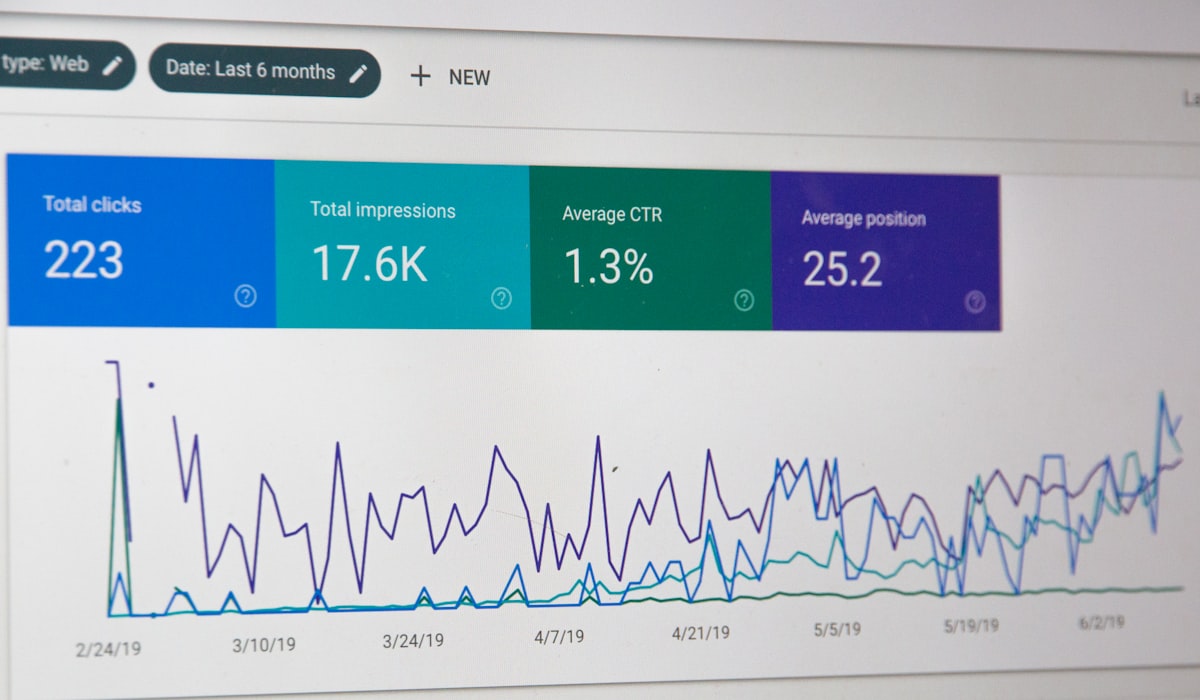
Google Search Console's coverage report is the starting point — it'll tell you directly which pages are indexed, excluded, or flagged with an error, and it's free. Beyond that, we crawl the site ourselves with a tool that ignores JavaScript rendering, specifically to see what a bare-minimum crawler sees, and compare that against what a real browser renders. Big gaps between the two are the clearest sign that content a client is proud of simply isn't reaching the index.
None of this replaces good content or a real link-building effort — those still matter, a lot. But we've seen clients spend months producing content for pages Google was structurally prevented from ranking well, and fixing the technical layer moved the needle faster than another six months of content would have. If rankings have stalled despite real effort elsewhere, this is where we'd look first.
Page speed and Core Web Vitals, in proportion
Page speed deserves a mention here too, mostly because it gets over-blamed and under-diagnosed in equal measure. Core Web Vitals are a ranking factor, but a minor one relative to relevance and authority — a fast page with thin, generic content still won't outrank a slower page that actually answers the query better. Where speed genuinely matters is at the margins, when two pages are otherwise closely matched on relevance, and as a straightforward driver of bounce rate and conversion regardless of ranking impact. We check it, we fix the obvious offenders — usually unoptimized images and render-blocking scripts — and we don't let a client chase a perfect Lighthouse score at the expense of the content work that actually moves rankings.
The last thing worth flagging is redirect chains left over from old migrations — a URL that redirects to another URL that redirects again, sometimes three or four hops deep. Each hop dilutes the signal passed along and slows the crawl. It's a small thing individually, but sites that have been through two or three redesigns often have dozens of these stacked up, and cleaning them into single-hop redirects is one of the higher-value, lower-effort fixes we make during an audit.